The Challenge
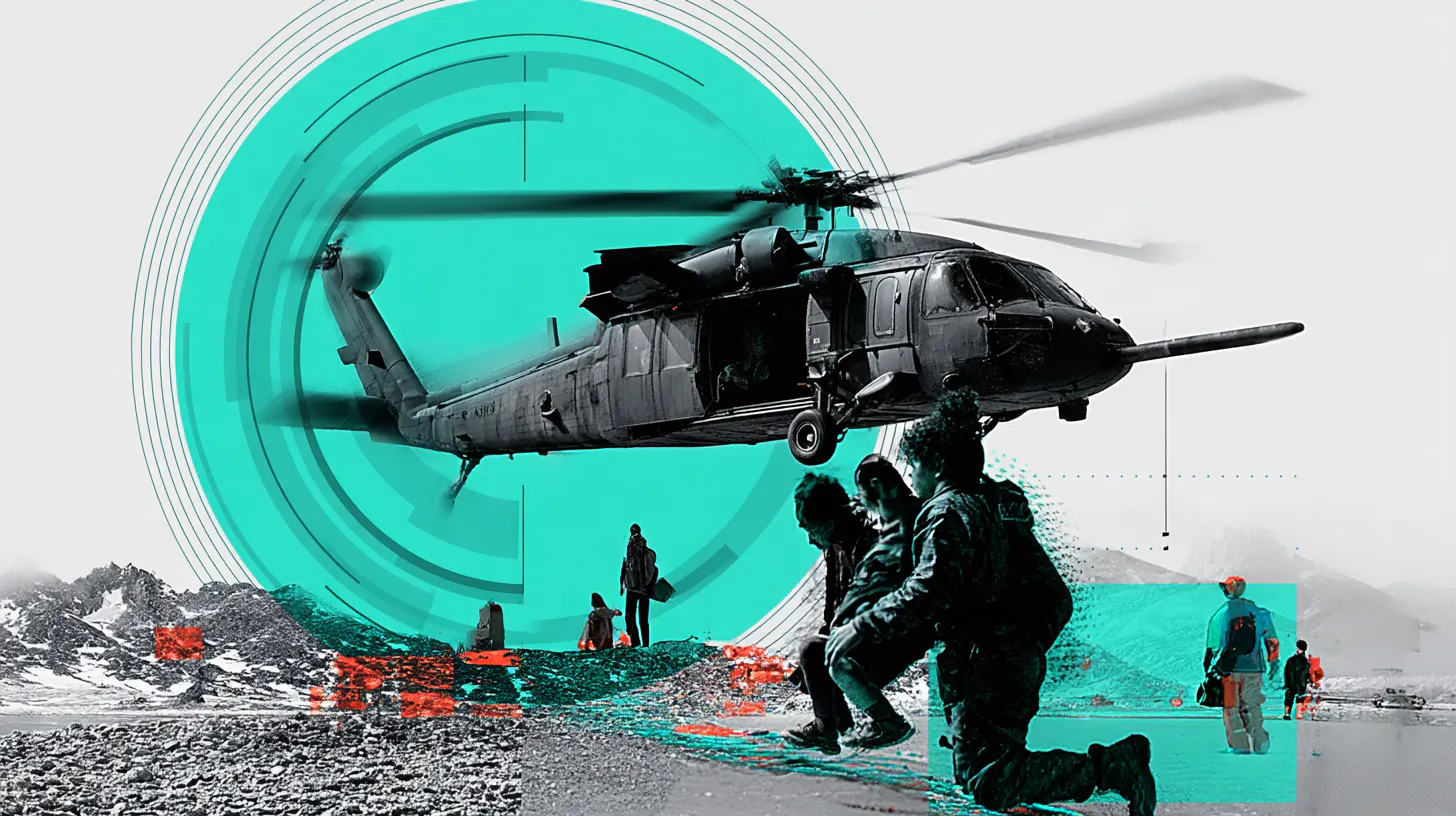
A European ministry of defence needed to understand future technologies that could support personnel recovery: how isolated, injured, or at-risk personnel could be located, identified, and recovered quickly in locations ranging from domestic training areas to contested environments.
The technology landscape for both localisation and communication was fragmented and fast-moving. Emerging approaches spanned mobile ad hoc networks, satellite communications, signals of opportunity, wearable technologies, and GPS-denied navigation techniques. The evidence needed to support confident investment decisions did not exist in one place.
The customer also required expert input throughout the project. This meant rapidly identifying credible deep tech specialists who could help structure the field, validate assumptions, and separate genuine technological potential from market noise.
The Solution
Outsmart deployed its capability to access a network of deep tech experts to identify, verify, and engage a multidisciplinary panel of specialists. This gave the customer access to scientists, engineers, and commercial leaders working across localisation and communications technologies.
Rather than treating location transmitters as a single category, technologies were segmented across three dimensions: location transmission technology, communication methodology, and form factor. This created a common framework for comparing different approaches and ensured the research remained broad.
Using this search framework, Outsmart assembled a balanced expert group from industry, academia, and specialist research organisations. Experts were selected for technical excellence and for complementary perspectives across satellite communications, positioning systems, wireless networking, sensing technologies, emergency response, and commercial technology adoption.
Experts from Outsmart’s global network identified 60+ organisations offering or developing location transmission solutions. These organisations were further prioritised based on technical capabilities, technological maturity, operational applicability, and future development potential. Suppliers were then shortlisted for further analysis to determine their product development roadmaps and benchmark their capabilities.
Finally, experts and customer representatives were brought together in a workshop to explore the most promising technologies for each of the three personnel recovery scenarios, both currently and in 3–5 years.
Technology Highlights
- Multi-modal devices: Combining GPS tracking with Wi-Fi, cellular and Bluetooth Low Energy backups supports transitions between positioning methods depending on the environment.
- Platform-mounted nodes: Broadcast nodes are deployed on drones or vehicles to provide flexible localisation coverage in environments without fixed networks, without relying on satellites.
- Wearable tracking devices: Combining motion sensors, magnetic field detection, and tracking based on signals of opportunity enables personnel positioning without GPS or network infrastructure.
The Value and Impact
The study delivered a decision-ready view of the location transmission technology landscape, transforming a fragmented mix of products, research programmes, and emerging technologies into clear priorities and practical roadmaps tailored to different operational scenarios.
The customer gained confidence in which approaches were mature enough for near-term consideration, which warranted further investigation, and which represented longer-term opportunities. This confidence was grounded in structured engagement with carefully selected subject matter experts rather than literature reviews and supplier claims alone.
The engagement demonstrated a repeatable model for technology intelligence: rapid access to the right domain specialists can accelerate assessment, validate emerging evidence, and help R&D organisations move from uncertainty to informed, expert-backed decisions.