The Challenge
NEOM's Education, Research and Innovation Foundation established the Ocean Science Applied Research Institute with an ambitious goal: to become a world-leading centre for applied marine science, developing the technologies needed to protect warm-water marine ecosystems over the coming decades.
Developing the institute's research strategy required looking beyond current capabilities to understand how applied marine science and engineering priorities could evolve over the next 10–15 years. Many of the technologies expected to shape the future of ocean research – from autonomous underwater systems and advanced molecular sensing, to predictive simulation and digital ocean twins. The Institute’s team therefore needed to identify the capabilities and research questions most likely to define the next generation of ocean science, and use these to inform its long-term research agenda.
At the same time, the institute needed to establish credibility in an international research landscape. It had to attract world-class scientists, engage technology pioneers from academia and industry, and articulate a distinctive narrative that would inspire collaboration and recruitment.
The Solution
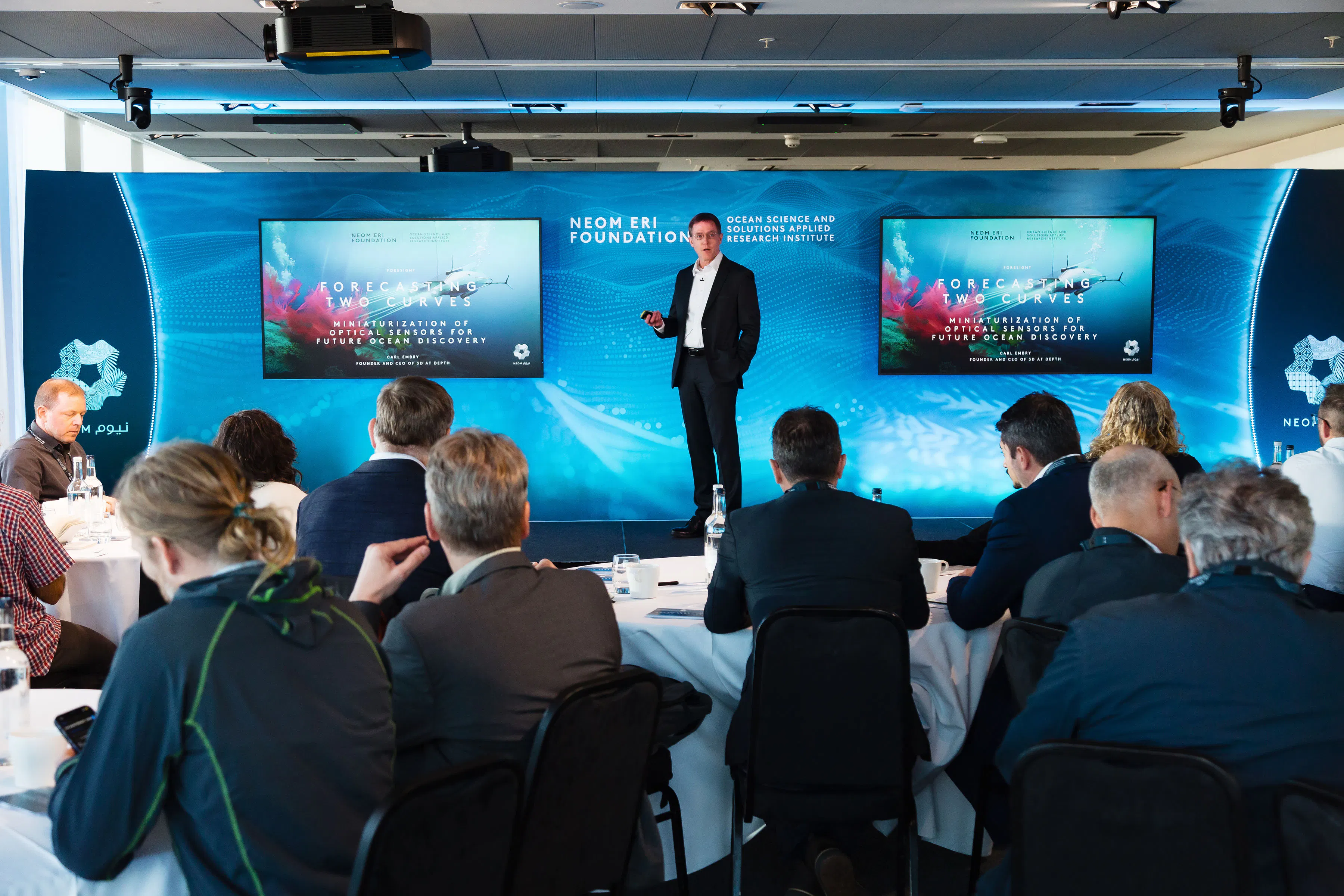
Outsmart designed and delivered a Futorial – a strategic foresight programme and event that combined horizon scanning, expert insight and structured backcasting to explore the future of ocean sensing.
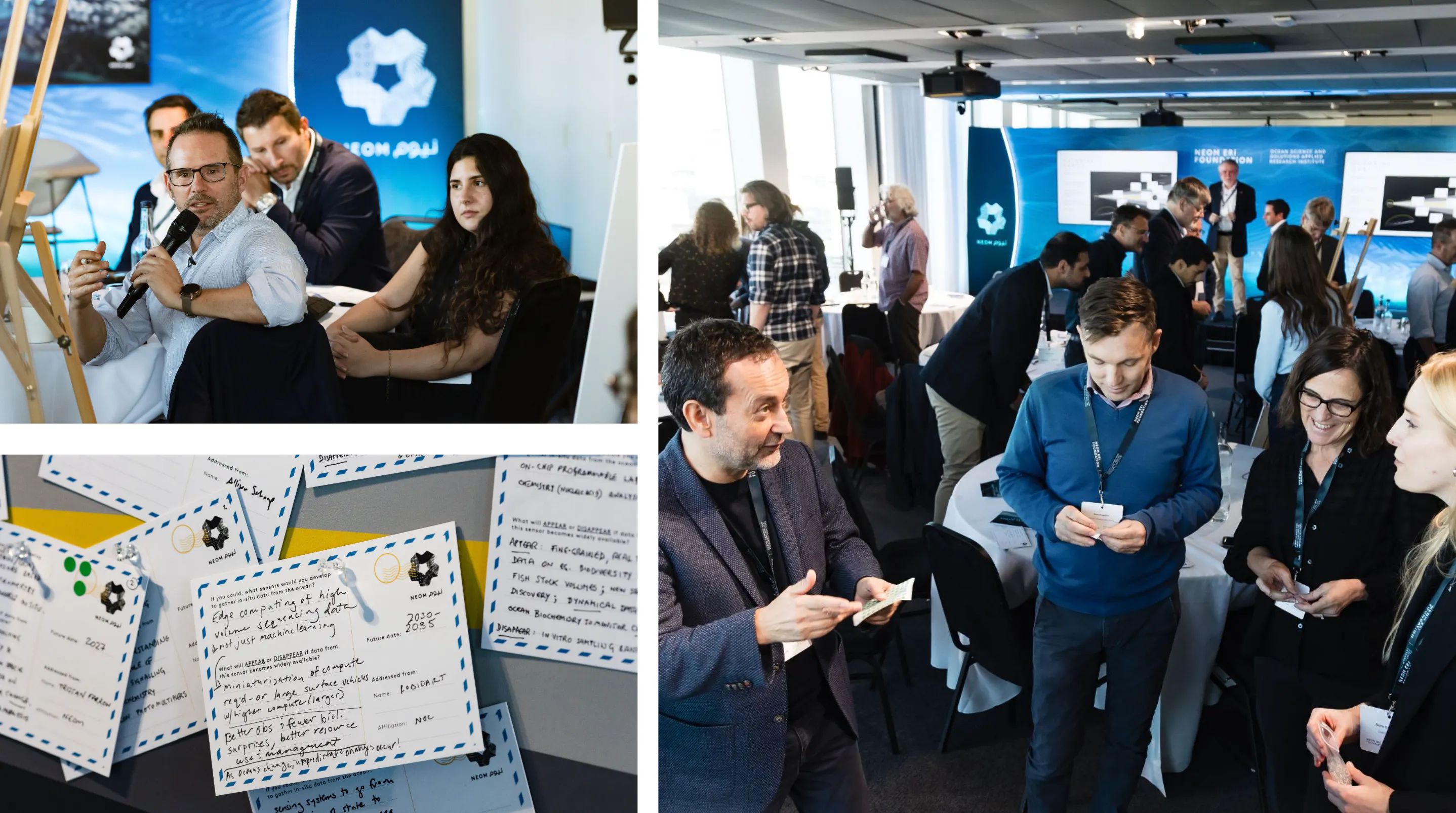
Working in close collaboration with the Institute, Outsmart helped to convene an international group of scientists, engineers and technology entrepreneurs from academia, national laboratories and industry. Bringing together expertise from multiple disciplines exposed participants to emerging technologies beyond traditional oceanography while keeping discussions grounded in practical engineering and applied research.
Participants were immersed in future operating scenarios before working backwards to identify the technologies, engineering barriers and research priorities needed to realise them. Facilitated workshops challenged assumptions, explored technology convergence and built a shared vision for the institute's long-term research agenda.
"Bringing together industry alongside academia exposed people to technologies and applications they wouldn't normally see."
— Director of Research Programmes, NEOM
The programme focused on four areas with the greatest potential to transform ocean observation:
- Autonomous underwater platforms
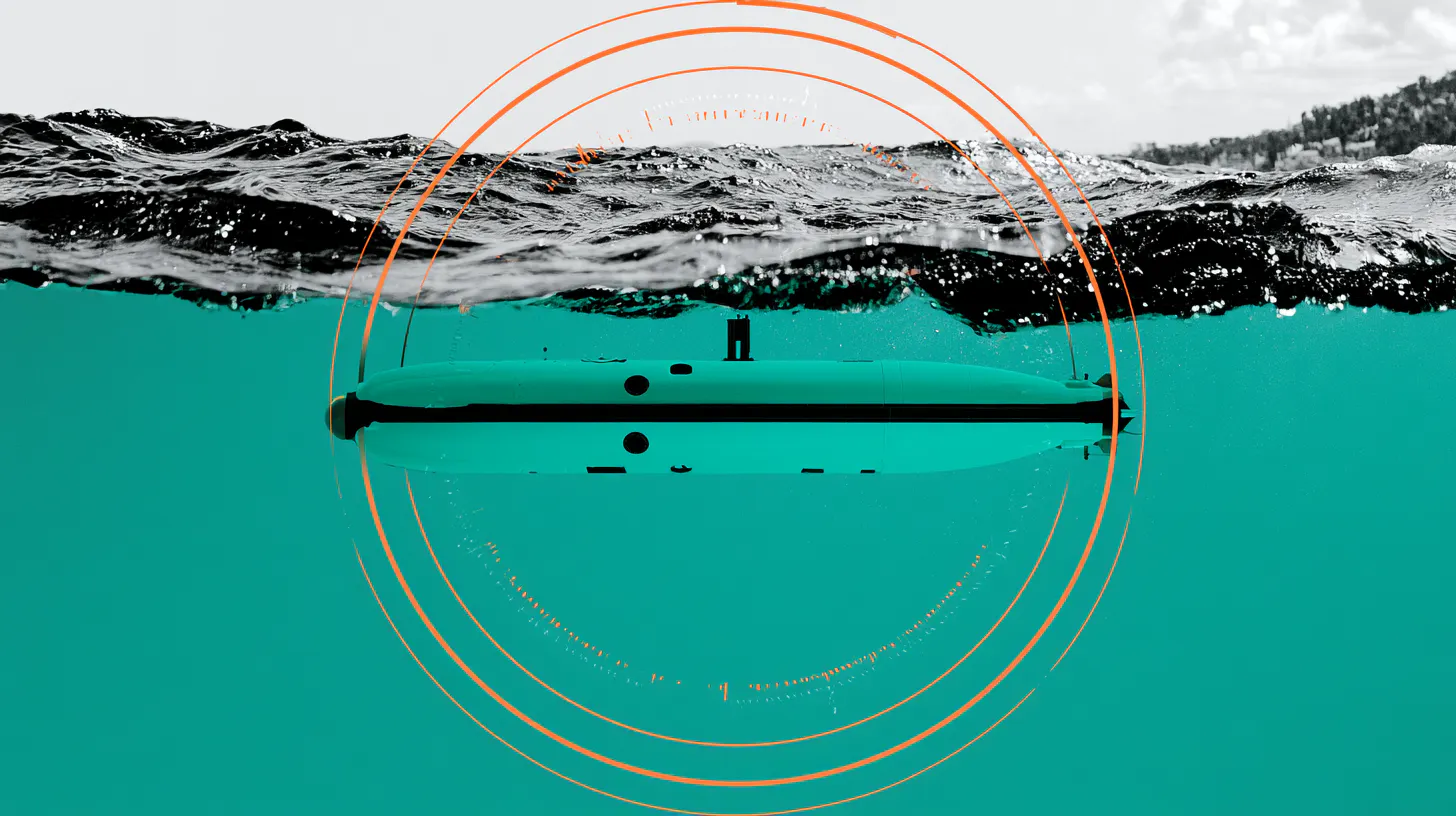
- Advanced molecular sensing
- High-resolution subsea mapping
- Real-time, predictive modelling
The Value and Impact
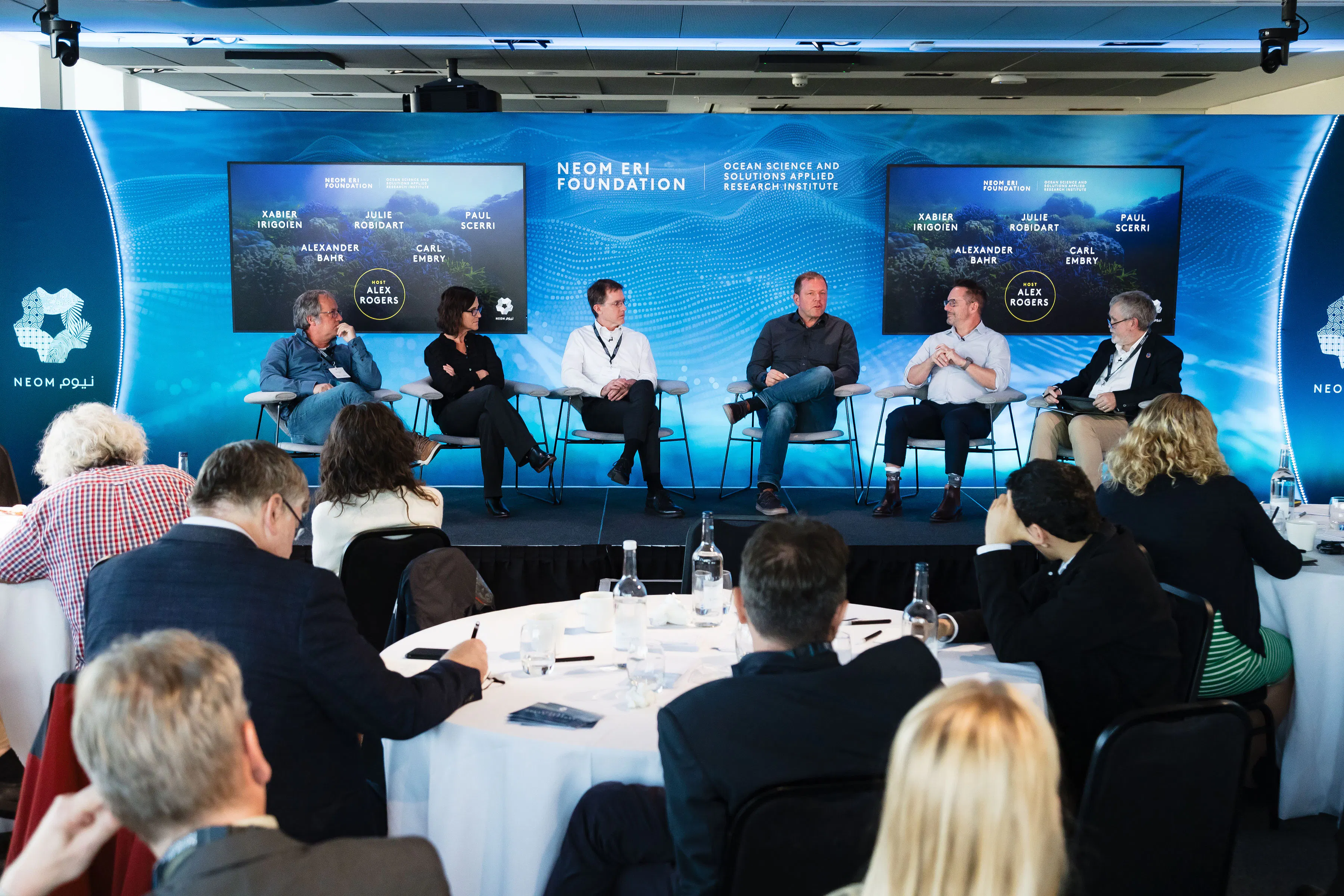
The Futorial positioned the Institute as an ambitious, future-focused research organisation with a distinctive vision for the next generation of ocean science. By convening internationally recognised researchers and technology leaders around a view of the future, the programme was a first step towards a strong platform for collaboration, recruitment and strategic engagement.
"The Futorial was probably the biggest success of the year. I don't think anyone quite knew what to expect, but everybody came away very pleased with the outcome."
— Director of Research Programmes, NEOM
The foresight process also helped the leadership team clarify long-term technology priorities, identify engineering challenges and shape a research agenda. The value extended beyond the event itself. The communication assets continue to support the Institute’s engagement with the wider researcher community.