The Challenge
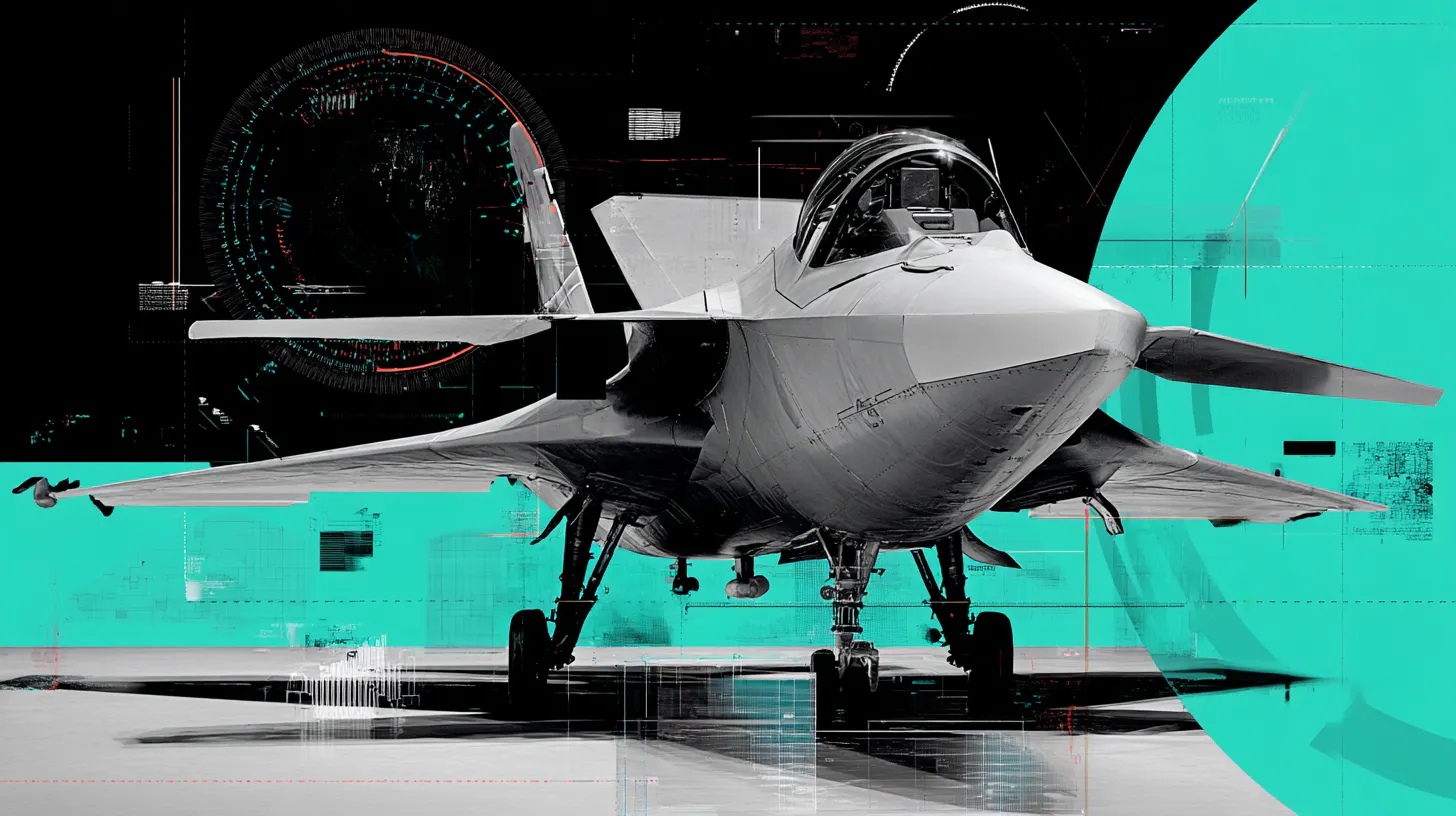
A software leader within an aerospace and defence consortium wanted to understand how artificial intelligence could safely support the design, development, and testing of safety-critical, high-assurance code. AI tools were advancing rapidly, but much of the available evidence came from lower-assurance consumer-focused environments where development speed mattered more than certification.
Vendors were approaching the team with claims of powerful AI capabilities, while internally the consortium was still working to differentiate understand what represented genuine progress from and what was simply ambitious marketing. At the same time, delivery pressure had not paused. The engineers best placed to evaluate emerging tools were also responsible for delivering major software programmes, leaving them little time to build an informed view of a rapidly evolving market.
What the team needed were external perspectives from the people building and deploying AI tools in comparable high-assurance environments. By understanding how adjacent industries were balancing productivity gains against certification requirements, the consortium could become a more informed customer, reduce procurement risk and develop a practical roadmap for adopting AI assistance without compromising software assurance.
The Solution
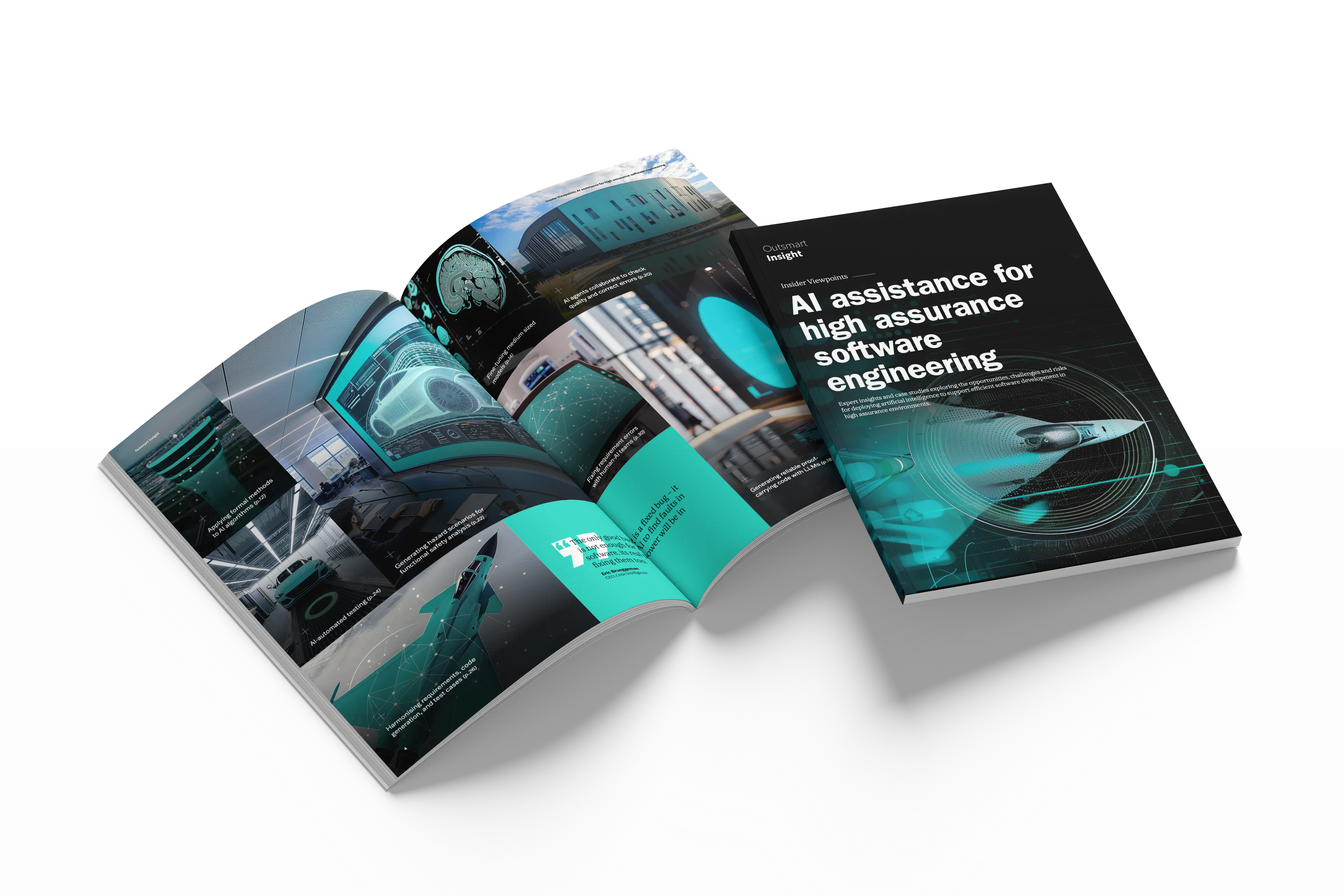
Outsmart designed an Insider Viewpoints study to provide an independent, evidence-based assessment of how AI is being adopted across software engineering in high-assurance industries. Rather than relying on marketing claims or published opinion, the study combined primary research targeted expert interviews with structured cross-sector analysis to produce actionable insight for technology strategy, procurement and future engineering practice.
The research was organised around a function-based structured technology taxonomy covering the end-to-end software engineering lifecycle, from requirements engineering and architecture through to implementation, verification and validation., testing and assurance. Structuring the investigation around engineering activities, rather than individual tools, enabled comparison between organisations using different technology stacks.
We tapped into our 8,500-strong expert network to rapidly identify interviewees across relevant high-assurance adjacent industries such as finance and pharmaceuticals. The research prioritised organisations with credible implementation experience, reducing market noise and providing the client with insight that was immediatelythat was more transferable to their context.
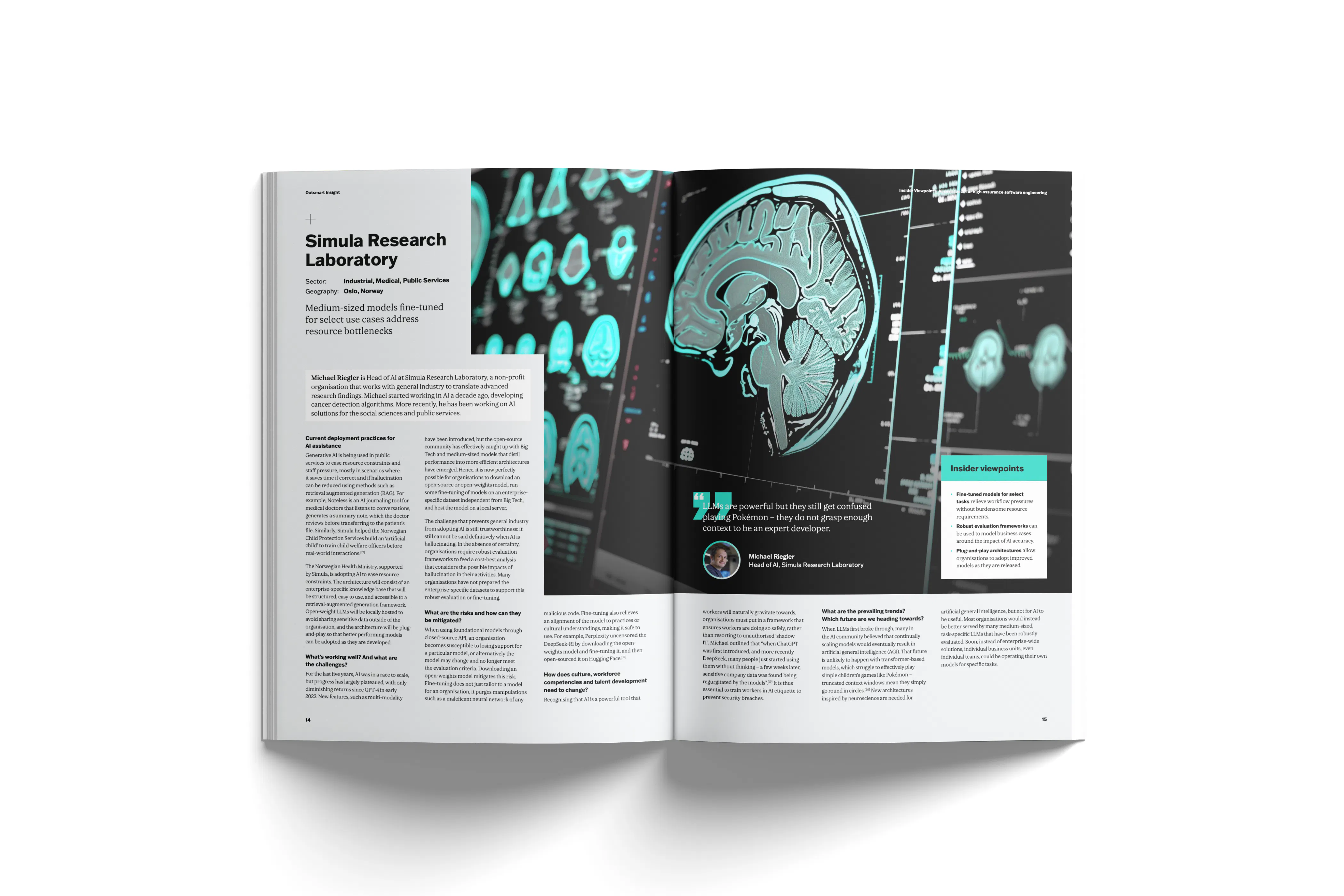
Interviews explored where AI was genuinely changing engineering practice, where adoption remained experimental, and where significant barriers persisted. The findings were synthesised into a professionally designed publication deliverable combining executive briefing material with detailed technical analysis. The same experts interviewees then participated in a bespokededicated workshop to further explore the study’s findings and drive engagement within the client team.
Technology Highlights
- AI-automated fuzz testing: Invalid, unexpected, or random data is automatically injected into into an applicationFuzzing of C/C++ code while are monitored, helping to could compress a workflow requiring around 1,000 expert hours into a single command, helping teams identify vulnerabilities quickly and without introducing errors into production code.
- AI-assisted formal verification: Formal verification-led approaches could pair the strengths of AI in rapidly exploring mMathematical proofs of code correctness are rapidly and autonomously exploring, with the safeguard of a deterministic proof checker that rejects ill-formed or hallucinated proofs.
- AI requirements analysis: AI-based quality checks could assess hHigh- and low-level requirements are autonomously assessed against criteria such as structure, specificity and indivisibility, flagging defects early. before they become more expensive to correct later in development.
The Value and Impact
Faced with a rapidly proliferating array of apparent solutions, Tthe study helped the consortium become a more informed customer in a complex and dynamic AI market. By combining perspectives from end users practitioners across multiple high-assurance industries, along with innovators developing suitable deployment solutions, the results publication enabled the team to better calibrate vendor claims, benchmark its thinking against peer organisations and improve procurement decisions.
The work also delivered wider strategic value. It validated the consortium’s view that although AI assistance is becoming pervasive and cannot be ignored, comparable organisations were also adopting these technologies cautiously and systematically, acting as a counter to popular narratives suggesting they were ‘falling behind’. The study has since been used to stimulate discussion across the wider consortium and support ongoing strategic planning around AI-enabled software engineering.
The study is publicly available online.