The Challenge
Elite sports organisations constantly chase competitive advantage. A UK-based performance innovation team wanted to identify emerging technologies that could improve equipment and athlete performance, delivering more gold medals for Team GB.
The challenge was that the technologies most likely to shape elite sport were increasingly emerging outside sport itself. Advances were being developed by startups, universities, and corporate R&D laboratories across many industries. Even when promising technologies could be identified, the team still faced the challenge of separating actionable developments from immature research. Monitoring this landscape exceeded the capacity of any internal team, and conventional sports networks offered only a partial view.
Without full visibility, important developments could be missed and competitive threats from rival nations could remain hidden until it was too late. If these challenges could be overcome, the team would gain earlier visibility of breakthrough technologies, accelerate the adoption of high-impact innovations, build stronger partnerships with external innovators, and create a competitive advantage for athletes.
The Solution
Outsmart designed a bespoke Technology Radar study to identify emerging technologies relevant to elite sports. The radar was organised around a taxonomy aligned with the team’s priorities: training prescription and monitoring, behaviour change, and skills acquisition. This structure allowed discoveries to be assessed against specific sporting challenges, rather than within generic industry areas.
Delivery was supported by Outsmart’s proprietary expert network, from which we selected more than 35 specialists from leading universities and research labs. Instead of relying on generalists, each taxonomy area was analysed by the subject matter experts most capable of assessing it, for example, electronic engineers for monitoring sensors, psychologists for behaviour change, and neuroscientists for skills acquisition. This approach allowed the innovation team to access specialist knowledge that would have been impossible to maintain internally.
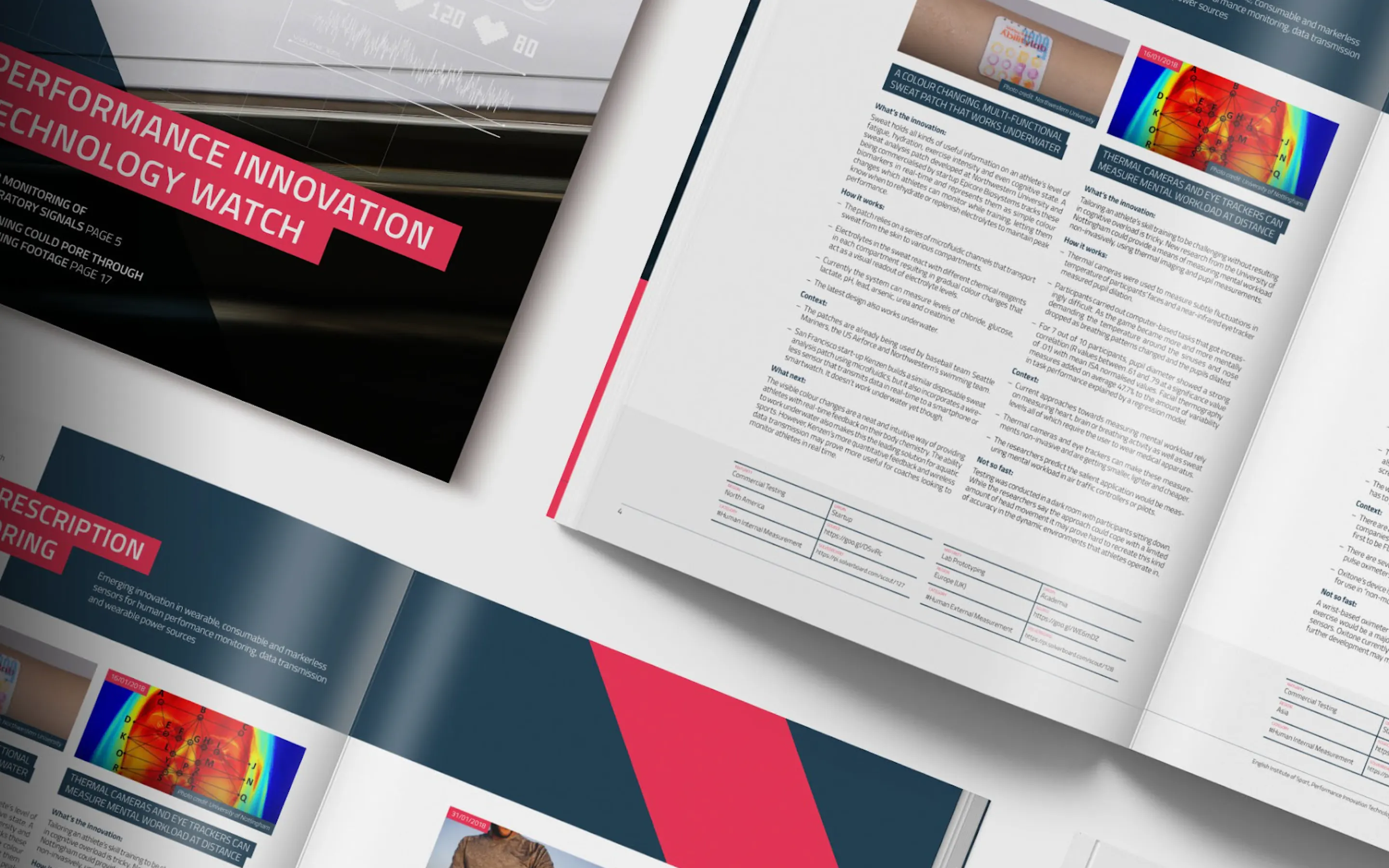
The final output, the Technology Watch publication, combined management-level accessibility with technical depth. Each profile explained what the innovation was, how it worked, and how it compared to the current ‘gold standard’, such as a diagnostic in a purpose-built medical facility.
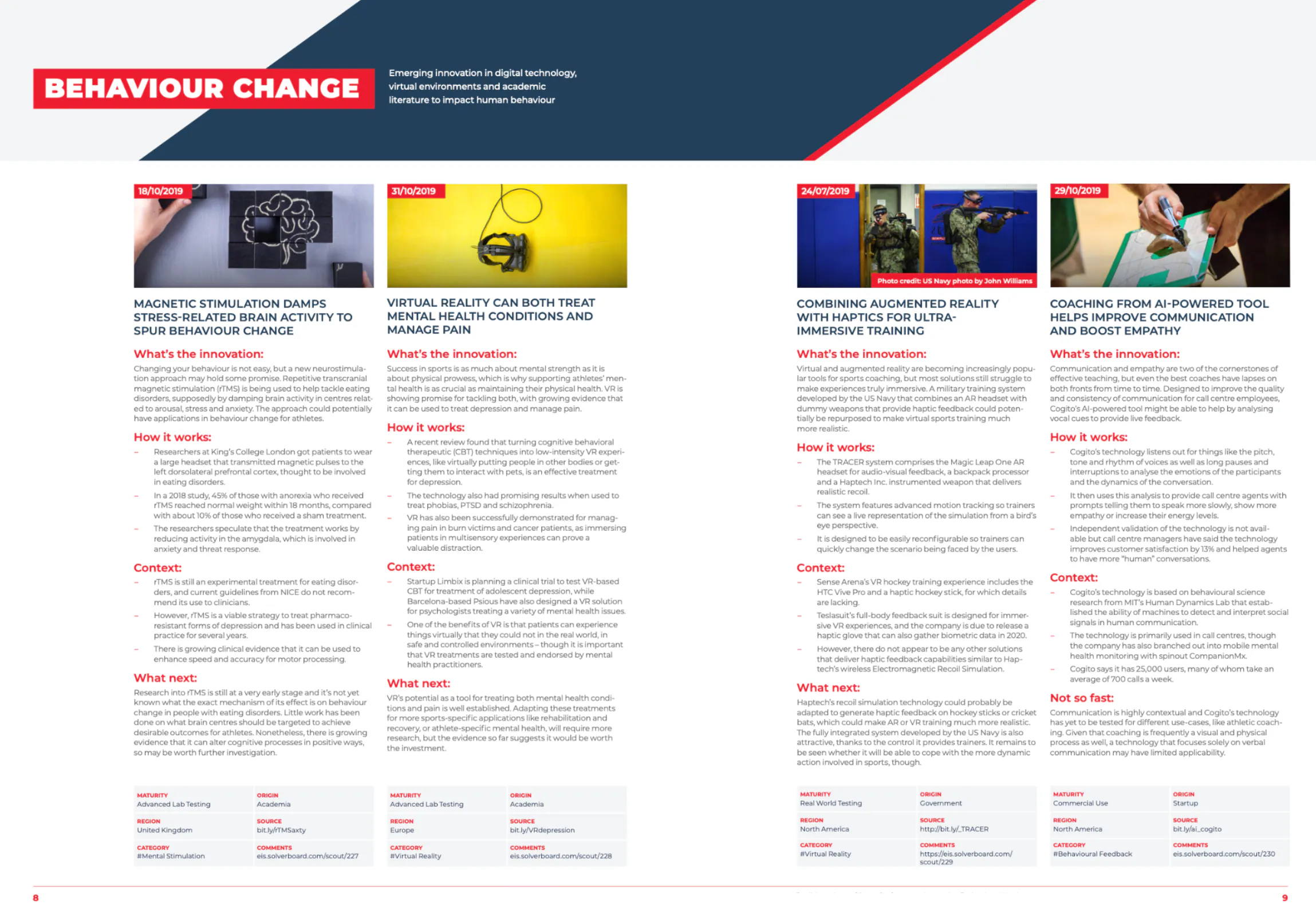
Technology Highlights
- AI-powered communication coaching: Originally developed for contact centres, a US-headquartered SME’s behavioural AI infers conversational dynamics in real time before delivering live prompts that could help coaches improve their feedback to athletes.
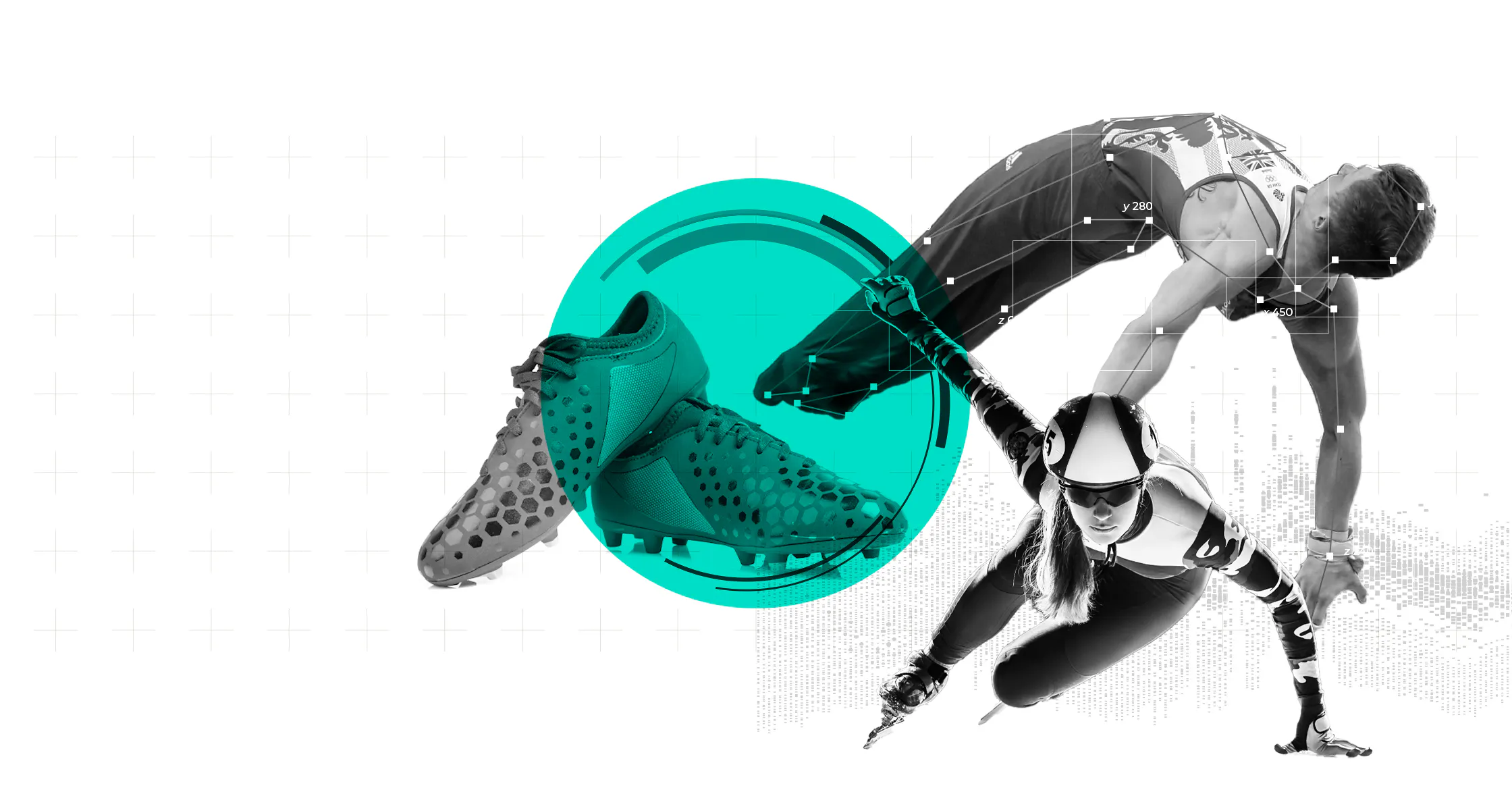
- Real-time multi-person pose estimation: Carnegie Mellon University's OpenPose system delivers full-body biomechanical tracking using a single camera and deep learning, simultaneously estimating head, torso, limb and finger positions, relevant to a wide range of sports.
- Brain-monitoring headband: An electroencephalography (EEG) headband developed by the University of Pennsylvania incorporates dry silver nanowire electrodes embedded within a flexible substrate to more effectively capture neural activity during strenuous exercise.
The Value and Impact
The Technology Radar gave the performance innovation team a holistic view of emerging technologies beyond the sporting arena, helping the team distinguish genuine performance opportunities from well-marketed novelty. This reduced the risk of pursuing immature technologies while increasing confidence in those worthy of further investigation. It also strengthened the team's ability to scrutinise technology claims made by companies and competing nations ahead of major international competitions.
Each signal was linked to the team’s secure internal platform, stimulating discussion among coaches, athletes and innovation specialists. This approach helped to embed horizon-scanning within the team’s innovation process, better positioning them to deliver long-term sporting success.